


Career Pro

“Software Ninja with IT Expertise.”
“Mastering Tech Solutions.”
“Innovative IT Specialist.”

Networked Systems & Cyber Security

My Summary

As part of a course project, I utilized Virtual Machines (VMs) with Windows Core & DHCP servers, computer networks, and router protocols to enhance network security. I focused on securing the application and hardware, establishing user permissions and restrictions in Active Directory, and implementing file shares and SSH services with transit access through Firewall & Fortigate. To test for network vulnerabilities, I utilized Wireshark for transformation testing and wrote and ran Python code to scan open ports. I also performed network security analysis and penetration testing on Kali Linux, with a specific focus on identifying and addressing security vulnerabilities. The project’s outcomes included significant improvements in network security and the identification and mitigation of previously unknown vulnerabilities. 

Robert Mulkandov

My Skills

Operating Systems

Operating systems are software that manage computer hardware and allow users to run applications. Windows is a popular operating system by Microsoft, available in different versions to meet user needs. Windows Server is a specialized version for server environments, while Core Server is a minimalistic version. CentOS is a stable Linux distribution based on Red Hat Enterprise Linux, and Ubuntu is a user-friendly Linux option. Kali Linux is designed for cybersecurity professionals and includes security testing tools. Operating systems facilitate computer usage and vary in features and purposes.

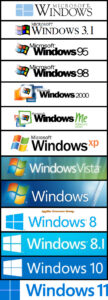
Proficient in Windows Pro and Home editions, including Windows 10 Pro/Home, Windows 8/8.1 Pro/Home, Windows 7 Pro/Home, Windows Vista Pro/Home, and Windows XP Pro/Home.
Strong troubleshooting skills specific to Windows Pro and Home editions, with the ability to identify and resolve various software and hardware issues.
Experienced in configuring and troubleshooting network connectivity on Windows Pro and Home editions, including TCP/IP configuration, DNS settings, DHCP, and resolving network connectivity problems.
Proficient in remote administration tools for Windows Pro and Home editions, such as Remote Desktop, TeamViewer, and AnyDesk, enabling efficient remote support and management.
Skilled in file management on Windows Pro and Home editions, including organizing, transferring, and backing up files, as well as troubleshooting file access and permission issues specific to these editions.

Proficient in Windows Server operating systems, including Windows Server 2019, Windows Server 2016, Windows Server 2012 R2, and Windows Server 2008 R2.
Strong troubleshooting skills specific to Windows Server, with the ability to identify and resolve various software and hardware issues.
Experienced in configuring and troubleshooting network infrastructure on Windows Server, including DNS, DHCP, Active Directory, Group Policies, and domain management.
Proficient in remote administration tools for Windows Server, such as Remote Desktop Services, PowerShell Remoting, and Remote Server Administration Tools (RSAT), enabling efficient remote support and management.
Skilled in file and storage management on Windows Server, including configuring and managing file shares, permissions, quotas, and storage spaces.
Knowledgeable in virtualization technologies on Windows Server, including Hyper-V, for creating and managing virtual machines and virtual networks.
Familiar with Windows Server security measures, including user authentication, access control, firewall configuration, and implementing security best practices.

Proficient in Windows Server Core, including Windows Server 2019 Core and Windows Server 2016 Core.
Skilled in server administration tasks, such as managing server roles, configuring network settings, and administering Active Directory services.
Proficient in using PowerShell commands and scripting for Windows Server Core management.
Experience deploying and configuring server roles and features, including Domain Controller, File Server, DHCP Server, DNS Server, and Web Server (IIS).
Knowledgeable in remote administration tools like PowerShell Remoting and Remote Server Administration Tools (RSAT) for efficient remote management of Windows Server Core.
Familiar with security measures, including firewall configuration, user authentication, and implementing security best practices.
Strong troubleshooting skills for resolving software and hardware issues in Windows Server Core environments.
Basic understanding of other Windows Server editions, such as Windows Server Standard and Datacenter.
I continuously update my skills and stay current with the latest developments in Windows Server Core to ensure effective server administration.

Centos: A Linux distribution based on the freely available source code of the commercial Red Hat Enterprise Linux (RHEL) operating system, known for its stability and use in server environments.

Ubuntu is a popular Linux OS known for its user-friendliness, security, and stability. It offers a customizable desktop environment and a vast selection of applications. It is widely used for both desktop and server purposes and is freely available as open-source software.

Kali Linux: A Linux distribution specifically designed for cybersecurity professionals and penetration testing, packed with tools and utilities for security testing and forensics.

Technological Infrastructures

Technological infrastructures consist of essential components that enhance IT environments:

Virtualization Software: Enables running multiple operating systems on one machine.

  • Virtual Box: Simultaneously runs different operating systems.
  • VMware: Provides virtualization and cloud computing solutions.
  • Hyper-V: Microsoft’s native hypervisor platform for virtual machines.

Microsoft: Offers various technologies and services for IT infrastructures.

Gns3: Open-source network simulation tool for designing and testing network topologies.

Fortigate: Network security appliances with firewall, VPN, and intrusion prevention features.

These technologies optimize resource utilization, improve network design and security, and create efficient IT environments.

Virtual Box: A virtualization software that enables users to run multiple operating systems simultaneously on a single physical machine.

VMware: A leading virtualization and cloud computing software provider, offering a range of products for virtualization, data center management, and cloud infrastructure.

Hyper-V: Microsoft’s native hypervisor platform, allowing users to create and manage virtual machines on Windows Server or Windows 10 Pro.

Microsoft: Referring to various technologies, products, and services developed by Microsoft Corporation.

Gns3: An open-source network simulation tool that enables users to design, build, and emulate network topologies.

Fortigate: A brand of network security appliances providing firewall, VPN, intrusion prevention, and other security features.

Tools & Applications

  • Firewall: Monitors and controls network traffic based on security rules, ensuring network security.
  • Office 365: Cloud-based suite of productivity applications by Microsoft for efficient collaboration and document management.
  • Visual Studio: Widely-used IDE for software development, supporting various languages and frameworks.
  • Command Line: Text-based interface for executing commands and performing system tasks.
  • PowerShell: Powerful command-line shell and scripting language for automating administrative tasks.
  • Active Directory: Microsoft’s centralized directory service for managing network resources.

These tools and applications are essential in ensuring network security, enhancing productivity, facilitating software development, and simplifying system management within technological environments.

Firewall: A network security device that monitors and controls incoming and outgoing network traffic based on predetermined security rules.

Office 365: A cloud-based suite of productivity applications offered by Microsoft, including tools like Word, Excel, PowerPoint, Outlook, and more.

Visual Studio: An integrated development environment (IDE) by Microsoft, widely used for developing a variety of software applications.

Command Line: The text-based interface used to interact with an operating system, allowing users to execute commands and perform tasks.

PowerShell: A powerful command-line shell and scripting language developed by Microsoft for automating administrative tasks and system management.

Active Directory: Microsoft’s directory service that provides centralized management of network resources, including user accounts, groups, and permissions.

Network Communication

The CCNA certification validates knowledge and skills in networking fundamentals, routing, switching, and network security.

Wireshark A widely-used network protocol analyzer that captures and analyzes network traffic, aiding in troubleshooting, network security, and protocol development.

These tools play a crucial role in understanding and managing network communication, ensuring efficient and secure data transmission. The CCNA certification demonstrates expertise in network administration, while Wireshark provides insights into network behavior and helps diagnose and resolve network issues. Together, they contribute to the smooth functioning and protection of network infrastructures.

CCNA: The Cisco Certified Network Associate certification, validating knowledge and skills in networking fundamentals, routing, switching, and network security.

Wireshark: A widely-used network protocol analyzer that captures and analyzes network traffic, helping with troubleshooting, network security, and protocol development.

Software Development

HTML: Hypertext Markup Language, the standard markup language used for creating web pages and applications.

PHP: A popular server-side scripting language used for web development, particularly well-suited for building dynamic and interactive websites.

SQL: Structured Query Language, a programming language for managing and manipulating relational databases.

Python: A versatile and easy-to-learn programming language with a wide range of applications, including web development, data analysis, and artificial intelligence.

HTML: Hypertext Markup Language, the standard markup language used for creating web pages and applications.

PHP: A popular server-side scripting language used for web development, particularly well-suited for building dynamic and interactive websites.

SQL: Structured Query Language, a programming language for managing and manipulating relational databases.

Python: A versatile and easy-to-learn programming language with a wide range of applications, including web development, data analysis, and artificial intelligence.

Multimedia

After completing a multimedia course in 2000, I gained practical experience in the field of photography and digital editing. I have worked on various projects involving shooting and digital editing, using industry-standard programs such as Adobe Premiere and After Effects. These projects allowed me to develop my skills in video production and post-production.

In addition to my video work, I also have experience in website development. I have built websites using HTML, PHP, and other related technologies. This includes designing and coding websites from scratch, implementing interactive features, and ensuring responsive and user-friendly layouts.

Furthermore, I had the opportunity to create a video clip for Channel 24. For this project, I utilized editing software such as Adobe Premiere and After Effects, along with other relevant programs, to produce a professional and engaging final product.

Additionally, I ventured into the field of animation. Specifically, I created animations for the BIP channel using Adobe Flash. This involved designing and animating characters, objects, and scenes to bring them to life and communicate ideas effectively.

Moreover, I have experience in creating architectural visualizations using software like 3ds Max and AutoCAD. I have worked on projects where I produced detailed and realistic 3D renderings and animations to showcase architectural designs.

Overall, my experience in multimedia encompasses photography, digital editing, video production, website development, animation, and architectural visualization. This diverse range of skills allows me to bring creativity and technical expertise to any multimedia project I undertake.

The page is still being updated, we apologize

We make sure to keep up to date

Our commitment to staying abreast of technological advancements ensures that we are continuously learning and growing in the ever-evolving digital landscape.

Designed by Robert Mulk

Accessibility Toolbar